



Yes, an electric heater can be safe to use if you have a dog or cat, provided you place it on a stable, clear surface, keep the power cord out of reach, and choose a model with tip-over and overheating protection. Never leave the heater on when your pets are home alone, and keep hair and dust away from the air vents.
Anyone with a pet knows how quickly a cat finds the warmest spot in the house. Dogs also like to lie close to a heat source. It’s cozy, but it does require extra attention when that heat source is an electric heater. This article explains the risks and how to keep them to a minimum.
Why do pets require extra attention around an electric heater?
A cat can jump onto anything and may lie against a heater. An enthusiastic dog might run into it or knock over a lightweight heater with its tail. Young animals like to chew on power cords. And where there are animals, there is hair and dust, which can accumulate around the air intake of a fan or ceramic heater.
This is more than a cleaning issue. In its brochure on fire safety at home, the Dutch Fire Service points out that almost all electrical appliances get hot when in use and that a fire hazard can arise if this heat cannot escape due to accumulated dust. Fan heaters are specifically mentioned. So if you have pets at home, you have an extra reason to keep the heater clean.
How to safely place an electric heater when you have pets at home
Choose a sturdy, flat surface where the heater cannot wobble, and place it out of your dog’s path. A spot next to the door or in a passageway is asking for trouble. Do not place the heater directly next to the pet bed, cushion, or scratching post either; pets drag blankets and toys around, and these should not come into contact with a hot appliance. Also keep it well away from curtains and furniture. For information on how much space to leave, read our article on the distance between an electric heater and curtains or furniture.
Pay attention to the power cord too. Run it along the wall and, if necessary, protect it with a cable cover so a puppy cannot chew on it and no one trips over it. Plug the heater directly into a wall socket. According to the same fire service brochure, power strips can cause fires, so it is better not to connect large power-consuming appliances such as heaters to a power strip.
Which safety features are important when you have a dog or cat?
A good electric heater has safety features that prove their worth especially in a household with animals.
| Feature | Why it is useful with pets |
|---|---|
| Tip-over protection | The heater switches off if a dog or cat knocks it over |
| Overheating protection | The heater switches off if it gets too hot, for example due to a blocked airflow |
| Thermostat | The heater does not continue to run at full power unnecessarily when the room is warm |
| Timer | The heater switches off automatically if you forget it |
| Sturdy, compact design | Less likely to be knocked over than a tall, narrow heater |
These safety features are a safety net, not a substitute for supervision. A heater with tip-over protection does not prevent a cat from lying against it, and a timer is no help if you do not set it.
Never leave the heater on when your pets are home alone
Electrical equipment is one of the most common causes of fires, says the Dutch Fire Service in tips published by the Consumentenbond. This is especially true if there are animals at home who cannot get out on their own. Therefore, always turn off the heater when you leave home, even for a quick shopping trip. For more on why this is a sensible idea, read our article on whether you can leave an electric heater on when you go out.
The fire service also recommends creating an escape plan and agreeing on who will take the pets with them in the event of a fire. A working smoke detector in the room where you use the heater should also be part of this.
Keep the heater and its surroundings clean
Before and after the heating season, regularly vacuum dust from the heater’s air vents with the plug removed from the socket and the heater completely cooled down. Remove hair from around the area where the heater is placed. If you see hair or dust in the grille, or smell a burning smell, turn off the heater and clean it before using it again.
Also always give your pets the opportunity to move away from the heat on their own. A warm spot is nice, but an animal must also be able to cool down if it gets too hot. Similar points apply to young children, as described in our article on an electric heater in a child’s bedroom.
Direct answer: An electric heater is safe to use with a dog or cat if you place it on a stable surface out of the way, protect the power cord, plug it directly into the wall, choose a model with tip-over and overheating protection, keep hair and dust away from it, and never leave it on when your pets are home alone.
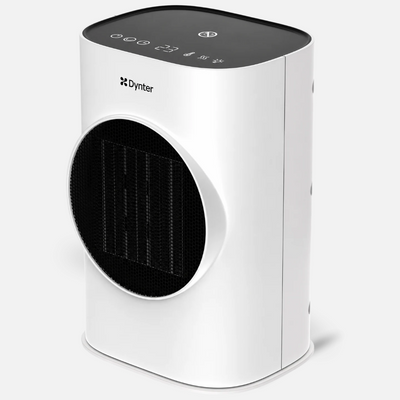
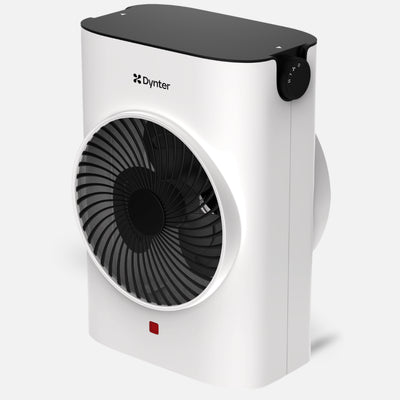
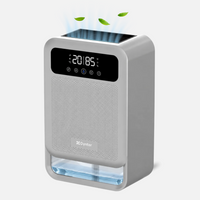
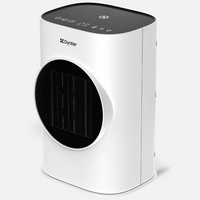
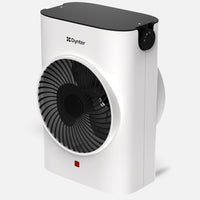
Product overview: Dynter Aerva HT18C electric heater
The Dynter Aerva HT18C is a compact ceramic heater with the safety features you want in a household with animals.
Safety: tip-over protection and overheating protection
Power: heat settings of 900W and 1800W, plus a fan-only setting
Temperature: six settings from 10°C to 30°C
Timer: up to 9 hours, after which the heater switches off automatically
Size: approximately 23 × 18 × 13 cm and 1.5 kg
Cable length: 1.5 metres
Looking for a safe supplementary heater for a home with pets? Check out the Aerva HT18C electric heater or all Dynter heaters.
Frequently asked questions
Can my cat lie against an electric heater?
It is better not to. A cat lying against the casing or in front of the grille can block the airflow and overheat itself. Place the heater so that there is always space around it.
What should I do if my dog knocks over the heater?
A heater with tip-over protection will switch off automatically. Then pull the plug from the socket, check the heater and power cord for damage, and place it back in a more stable position.
Can an electric heater stay on while I sleep and my pet is inside?
It is best to use the timer so that the heater switches off after a set time. Do not leave a heater running unattended all night in a room where animals can move around freely.
How often should I clean the heater when I have pets at home?
Regularly check the air vents during the heating season and vacuum out dust as soon as you see hair or dust. Always do this with the plug removed and the heater cooled down.
Is a fan heater more dangerous with pets?
A fan heater draws in air and therefore also hair and dust. This makes regular cleaning even more important. With good safety features and proper maintenance, it is perfectly safe to use.